
MOTH
Lynn Marie Dennehy, Andrea Newman, Pádraig Spillane
Curated by Emma Quin for Backwater Artists Emerging Curator Award 2026
- 13 March - 24 April 2026
- Tuesday – Friday 10 am – 5pm
- Studio 12
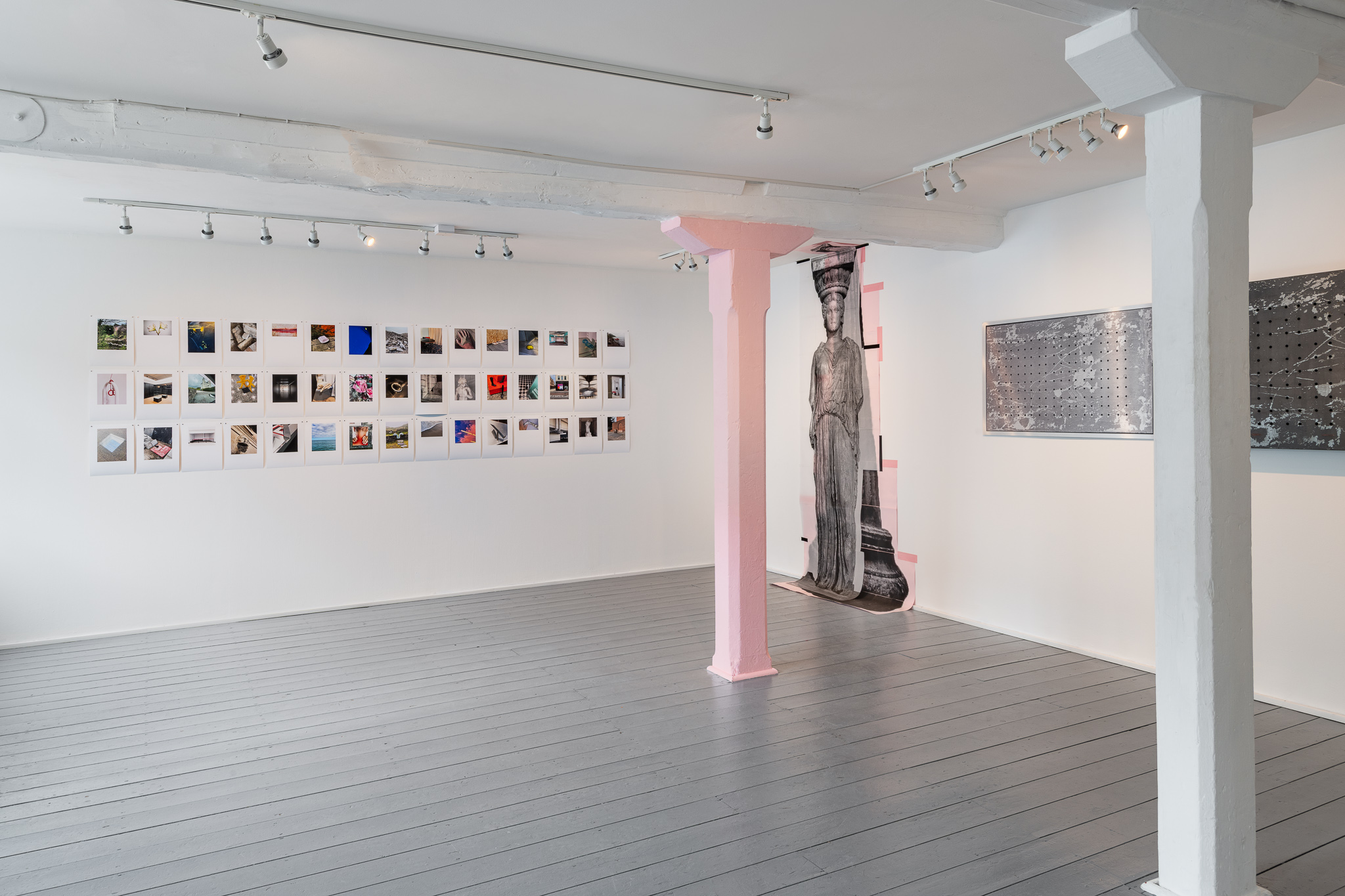
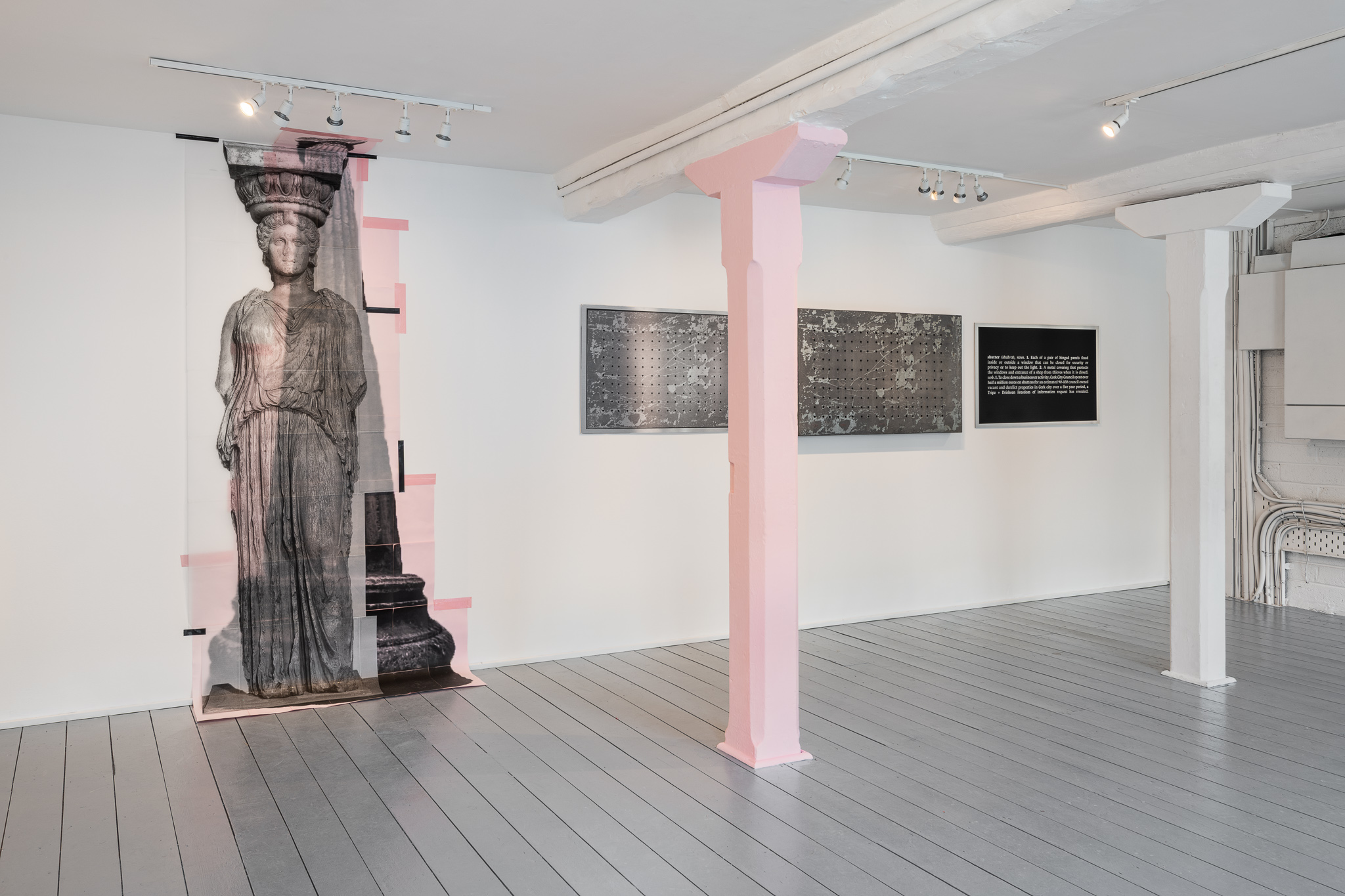
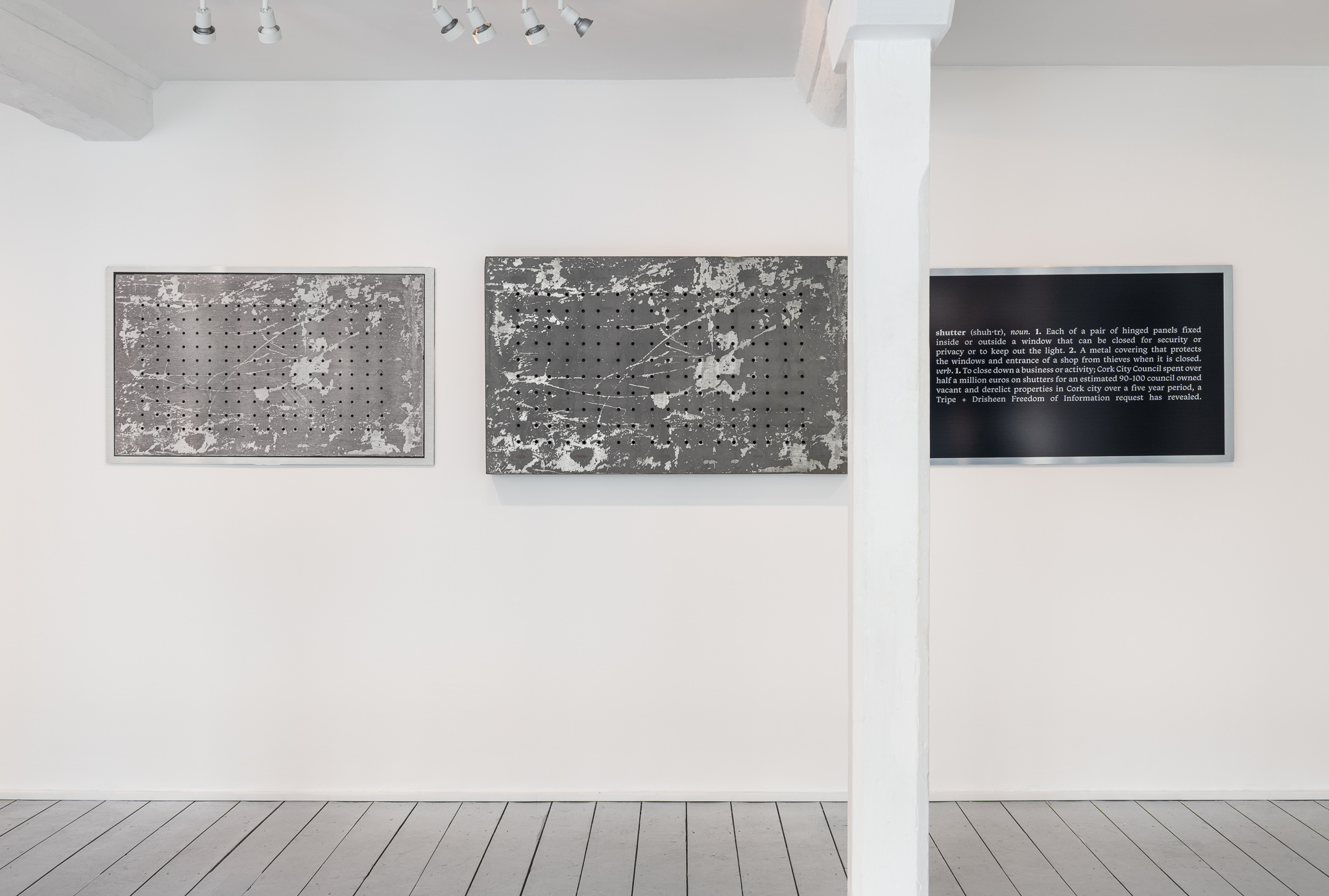
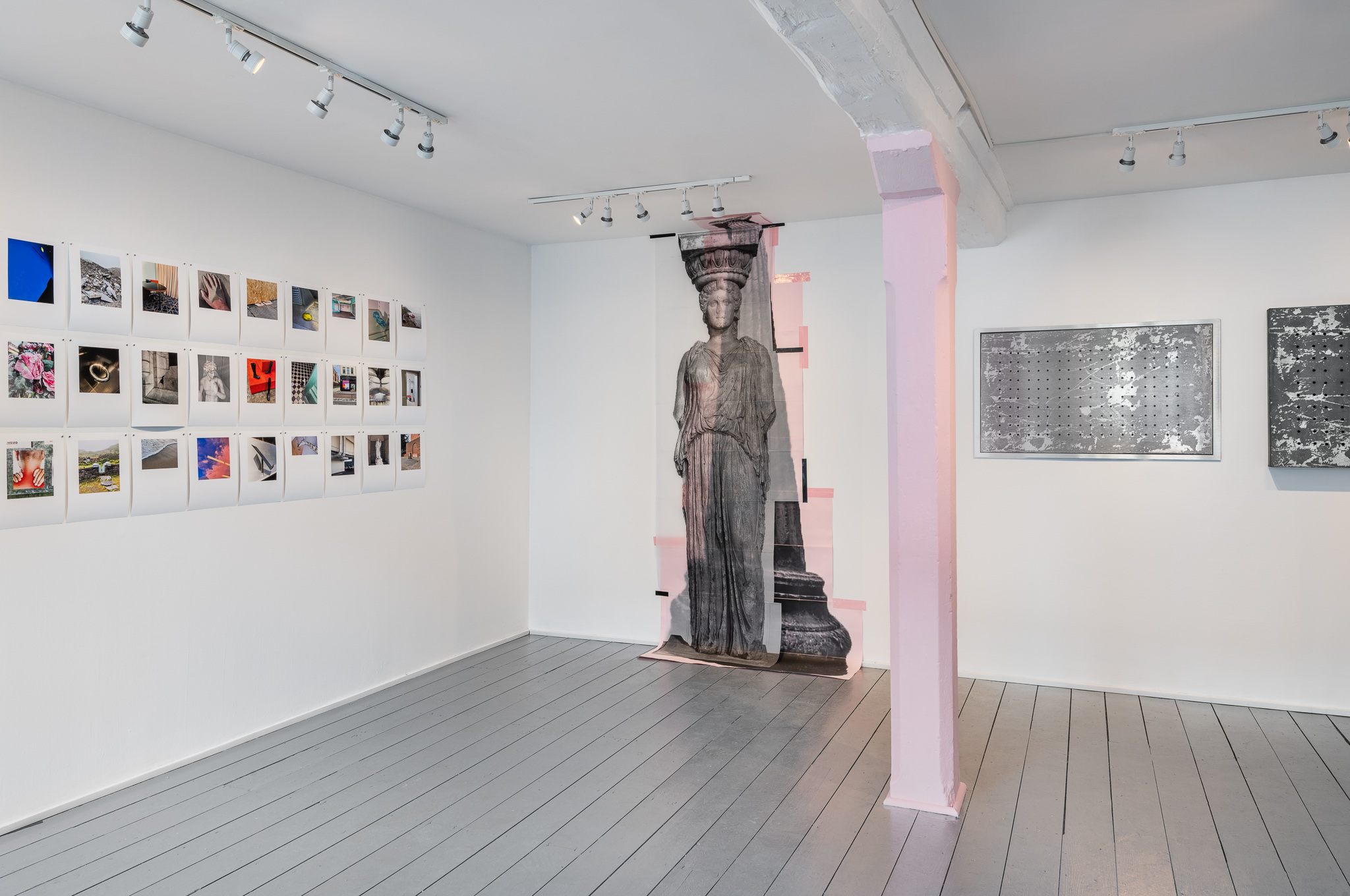
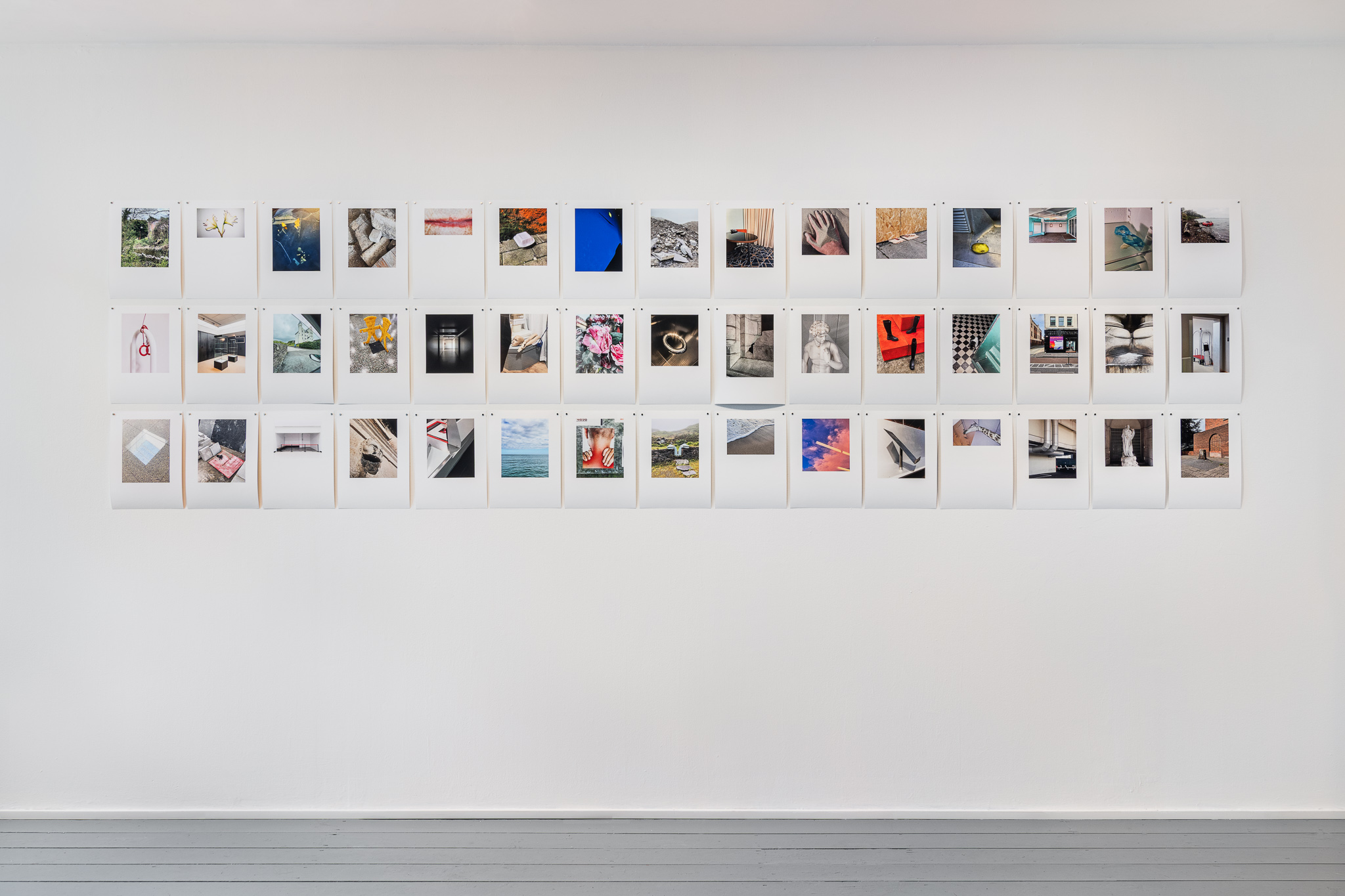
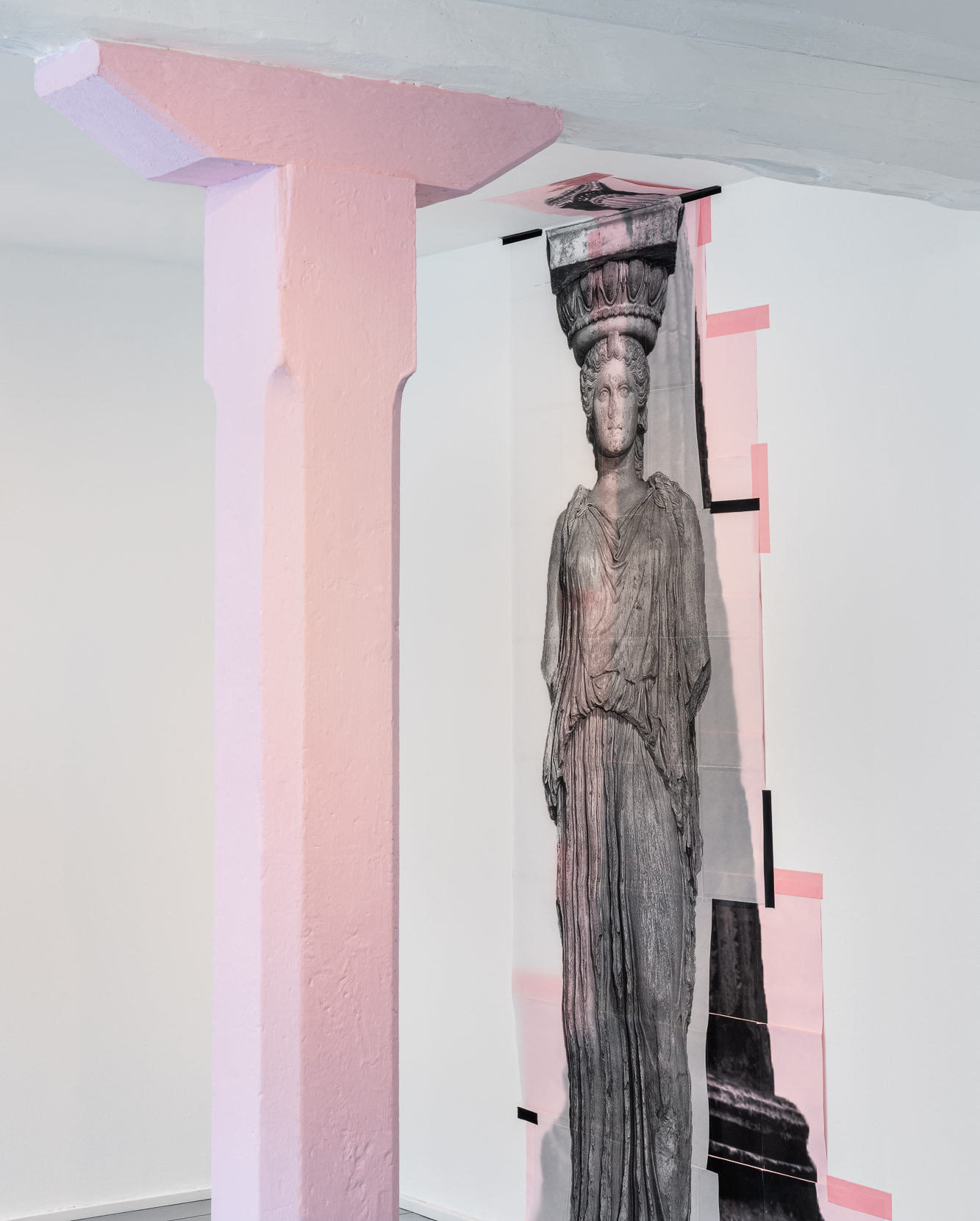
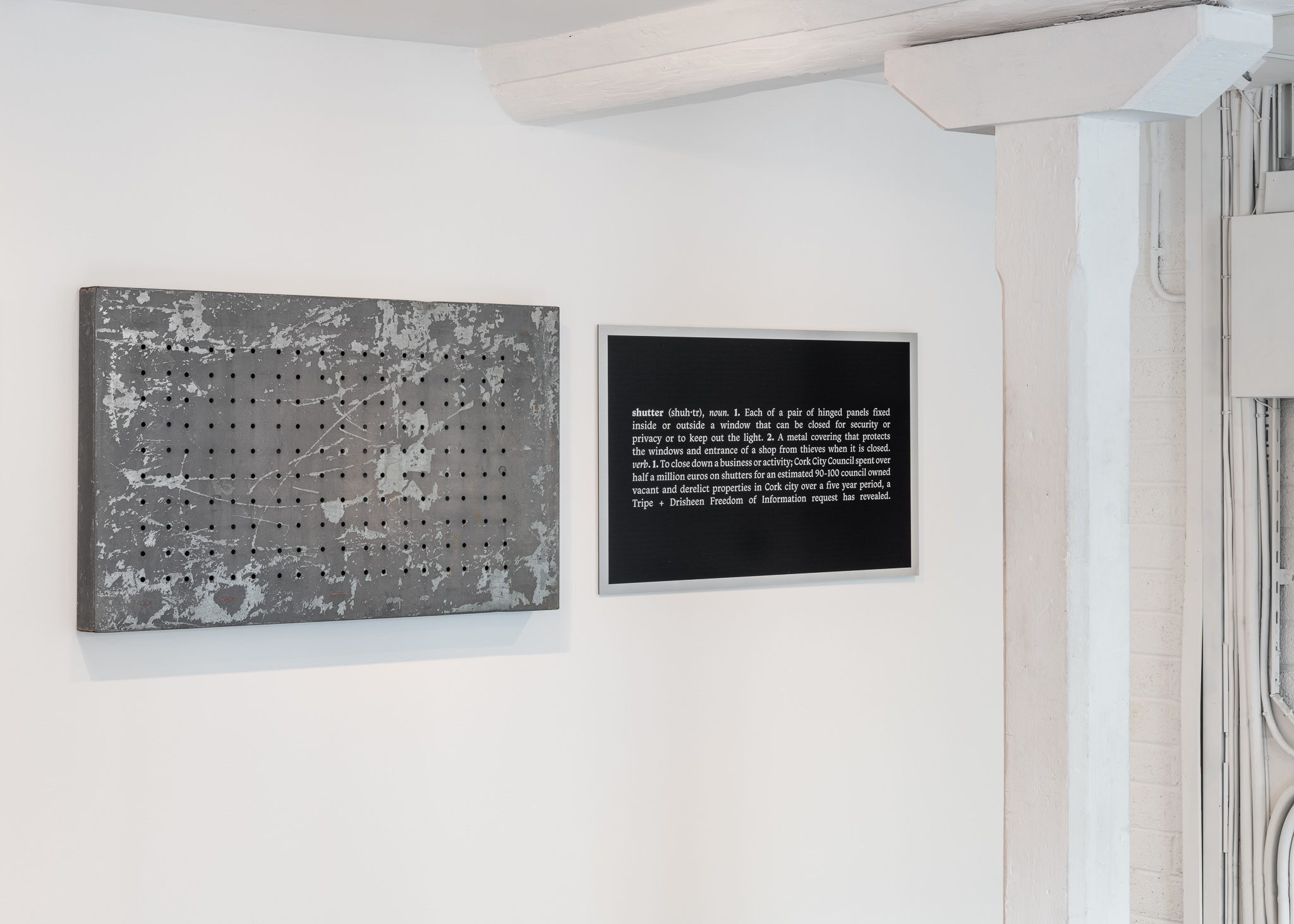
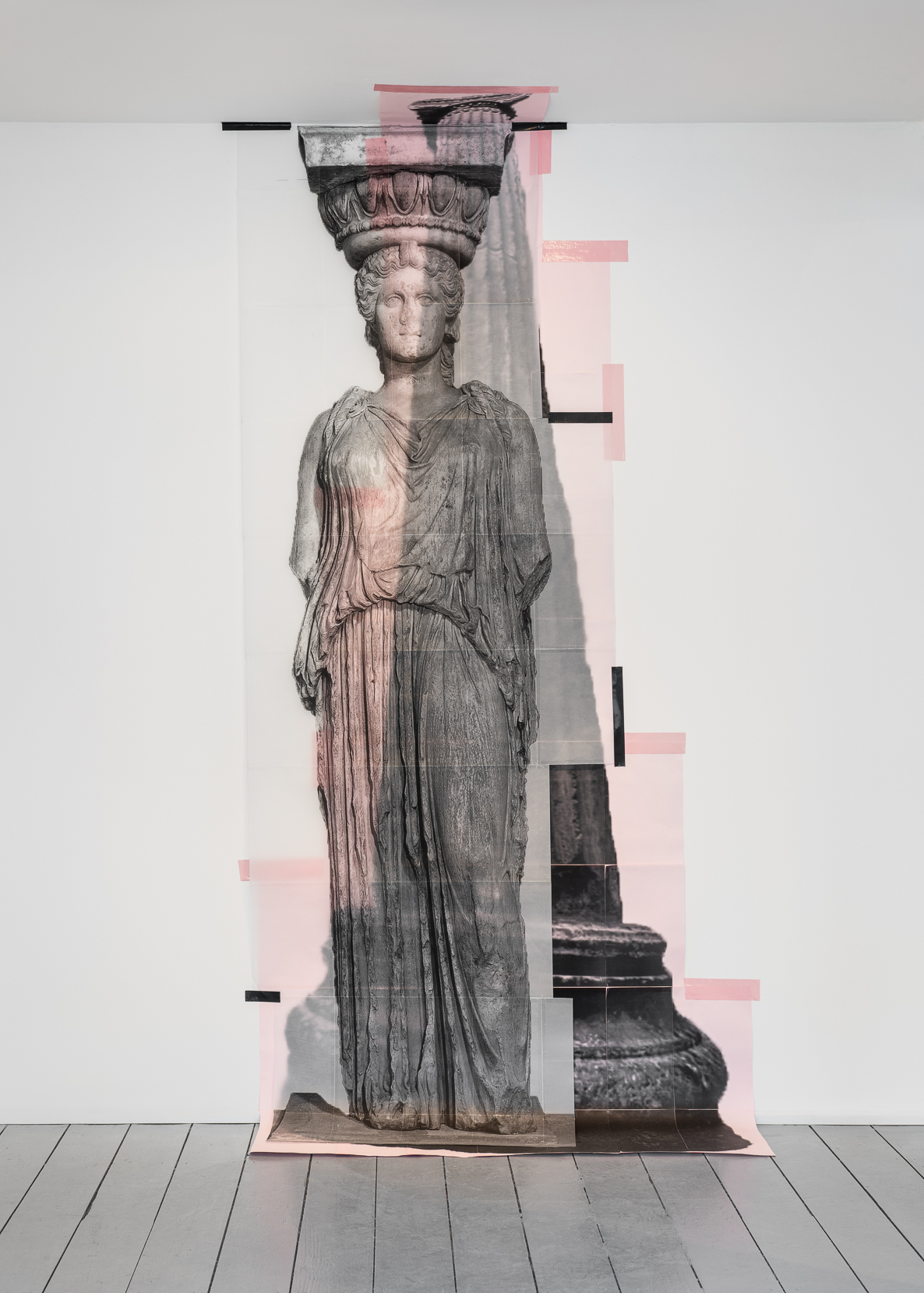
Groundbreaking experiments conducted by British geneticist Bernard Kettlewell, building on the earlier work of J.B.S. Haldane, explored the evolutionary changes of the British moth in highly polluted areas. In the 1800s, a black form of the originally white peppered moth began to appear across industrial areas of the UK. This phenomenon, later termed ‘industrial melanism’, created three new species of moths that were darkened in colour due to consistent exposure to pollution in industrial areas, changing their colour from bright amber and white to dark brown. Soot and ash from factories had blackened the tree trunks of the moth’s habitat. This was discovered 10 years before the concept of natural selection was brought forth by Charles Darwin.
Moths are an impeccable example of adaptive behaviours. They seamlessly blend into their environment, assuming the colour and pattern of any surface to camouflage themselves from predators. They are naturally drawn to places that match their colouring, and during rest, they position their body to further blend into their environment.
Human evolutionary social behaviours do not differ much from those of the moth. Most sociological thinkers, like Chris Cooley, argue that humanity does not exist in a vacuum; rather, the self is created in response to society. Thus, society and the individual are not separate, but rather two complementary aspects of the same phenomenon.
Moving from childhood to adulthood, the individual assimilates into mass culture, regulating their identity and behaviour. Whilst learning expected modes of behaviour can guide us towards what is ‘safe’ and ‘acceptable’ in society, it is hard not to ask what is lost during this process. As the systems of capitalism construct our material reality, what delightfully rough edges of the self are smoothed over by these wider forces? What parts of our innate being are deemed unsavoury, and how does that happen to align with the socio-political, imperial and cultural biases of our time?
Foucault’s theory of panopticism asserts that individuals can be controlled when they believe themselves to be under constant surveillance, even if no one is watching. Whilst classic panopticism draws from the constructions of prisons and military facilities, Conor Sheridan adapts this theory for our modern times. Information systems and digitised forms of surveillance are creating a new form of decentralised panopticism that we self-enforce.
Perhaps by externally observing patterns of survival in other species, we can see our own social conditioning more clearly. By interrogating the societal constructions we reinforce, reproduce and perform, often without knowing, this creates room for more expanded, authentic ways of living to emerge or take flight.
Emma Quin
Emma Quin is a curator and artist based in Belfast. Her practice critically examines how power is exercised within private and public spheres, considering the individual’s conditioning within these structures. Her work employs Marxist thought to dismantle and interrogate societal superstructures, proposing and enacting alternate realities of freedom, authenticity and commonality through collaborative artistic practice.
Emma is a former Director of Catalyst Arts. Recent projects include ‘non-stick frying pan’, an exhibition and public programme examining the western domestic space as an active political site. Her practice is supported by the Arts Council of Northern Ireland.
Lynn-Marie Dennehy
Lynn-Marie Dennehy is a visual artist and educator based in Cork. She is an assistant lecturer on the Fine Art and Contemporary Applied Art programmes at MTU Crawford College of Art and Design where she received an MA in Art and Process and a BA(hons) in Fine Art. She is a full-time studio member of both Backwater Artists Group and Cork Printmakers and is an associate member of the National Sculpture Factory and Sample Studios. Her research-based practice investigates the ongoing colonial legacies that exist within our cultural subconscious and navigates the generational legacies that reside in our built environment. Through the lens of Greek mythology, neoclassical architecture, and the history of museums, she creates playful but pointed installation works and experimental exhibitions that serve as test sites for her research. Exhibtions include: The Naked Truth: The Nude in Irish Art, Crawford Art Gallery; [We Must Not Act Like] Children of Our Parents, Studio 12 Gallery(solo); Ah Go On, Cork Printmakers Studio Gallery; Reach Out and Touch Me, St Peters Exhibition Centre
Andrea Newman
Andrea Newman is a visual artist working and living in Cork City. In her work she utilizes lost Irish language to explore Ireland’s current housing crisis. She specifically is interested in documenting socioeconomic issues within this work. She combines photography and print in her work and has explored installation and bookmaking to combine her use of these mediums. Her most recent body of work explored the history of and ongoing neglect of social housing in Mayfield.
In 2023, she graduated from Crawford College of Art and Design with a first-class honours degree in Fine Art. She was awarded the Ciarán Langford Memorial Bursary with Backwater Studios and the Roberts Nathan Student of the Year Award with Lavit Gallery. She is a member of Backwater Artists and Sample Studios. She most recently exhibited at Studio 12 with her solo exhibition, Baile na mBocht, 2024.
Pádraig Spillane
Pádraig Spillane works with photography, collage, object-based assemblages, and installation. He explores desire through the intersections of imagery and mass-produced cultural forms. He views images as unstable, to be waywardly rearranged beyond their intended meanings and functions. His works are constructed using visual references from commercial display and collective imaginaries, exploring how images generate desires through their complex entanglements. Reorienting the drives and relations from aesthetic elements to consider suggestive potentials, his works perform as assemblies of disruption and appeal.
The core of Spillane’s practice is concerned with how desire functions outside of conventional representations. It looks beyond obvious readings of images and objects to explore psychologies of desire. This is done by exploring connotations and suggestions between commercial advertising imagery and objects, harnessing unexpected juxtapositions and arrangements of contexts. Works create entry points in how images can be viewed as orientation points and affective social surfaces. His works operate as seductive disruptions deployed as prompts to see images and objects outside of their intended uses.
Selected exhibitions include: A R C H I P E L A G O, RHA, Dublin, (2025); Periodical Review #14, Pallas Projects/Studios, Dublin, (2024); In Pieces: Navigating the Body in Irish Contemporary Art, Glucksman Gallery, Cork (2024); Skin / Deep: Perspectives on the Body, Photo Museum Ireland, Dublin, (2024); Future Tense, FORMAT Photography Festival, Derby, UK, (2024); Saturation: the everyday transformed, Crawford Art Gallery, Cork, (2022); define silver lining V2.0, Cork Centre For Architectural Education, Cork, (2022); Silver-Tongued Sea, Jupiter Woods, London, (2021).