Lara Quinn
Artist Bio
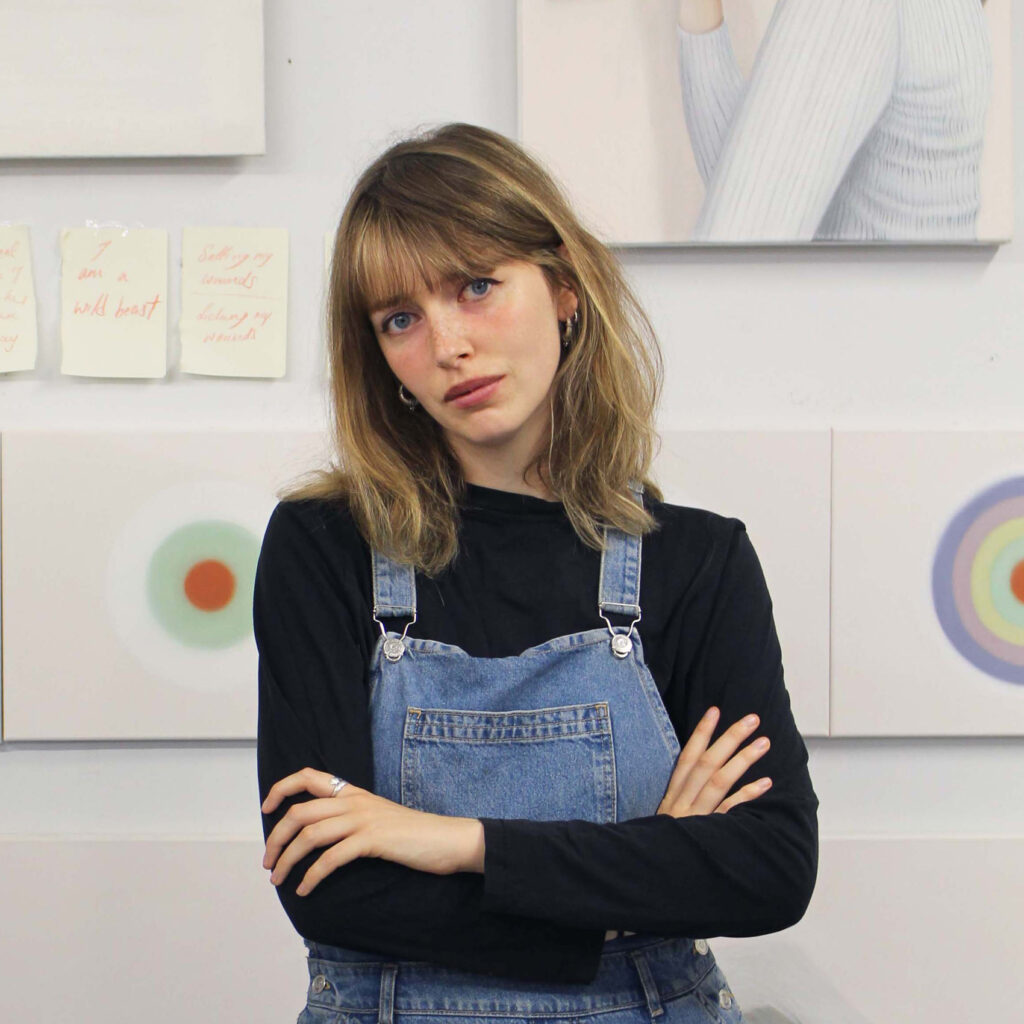
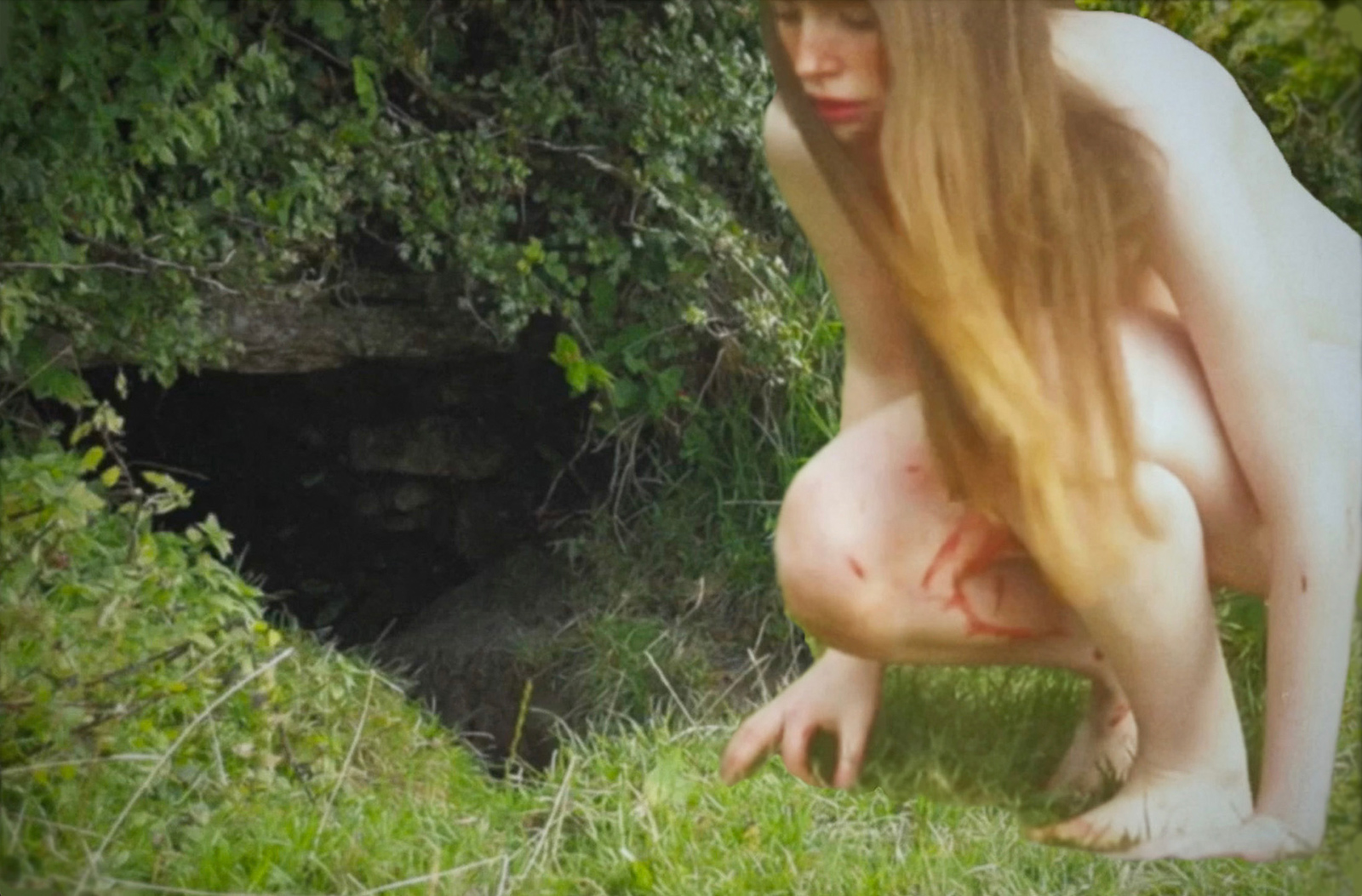
Quinn is a Cork-based visual artist and studio-holder at Sample Studios. With prior education studying the History of Art at University College Cork, Quinn holds a BA First-Class Honours Degree in Fine Art from MTU Crawford College of Art and Design (2024). Working across painting and performance, Quinn examines identity through the interplay of memory, imagination and lived experience. The self-portrait serves as a site of enquiry throughout, anchoring the work alongside an increasing engagement with abstraction and colour.
Quinn’s recent awards include the Cork County Council / Uillinn Residency Award (2026),Cork City Council Artist Bursary (2026), Arts Council Agility Award (2025), Student of the Year Award (2024), Best Thesis Prize (2024), long-list for the RDS Visual Art Awards (2024), and a Cork City Council Purchase Prize (2024) which acquired several pieces for private collection at Cork City Hall. Past solo shows include, ‘Lady Lazarus’ at the Lavit Gallery and future exhibitions include Engage Gallery, Galway (2026), Studio 12 Gallery, Cork (2027) and The Lord Mayors Pavilion, Cork (2027). Her work has been reviewed in The Irish Arts Review, Visual Artists News-Sheet and The Irish Examiner.
Artist Statement
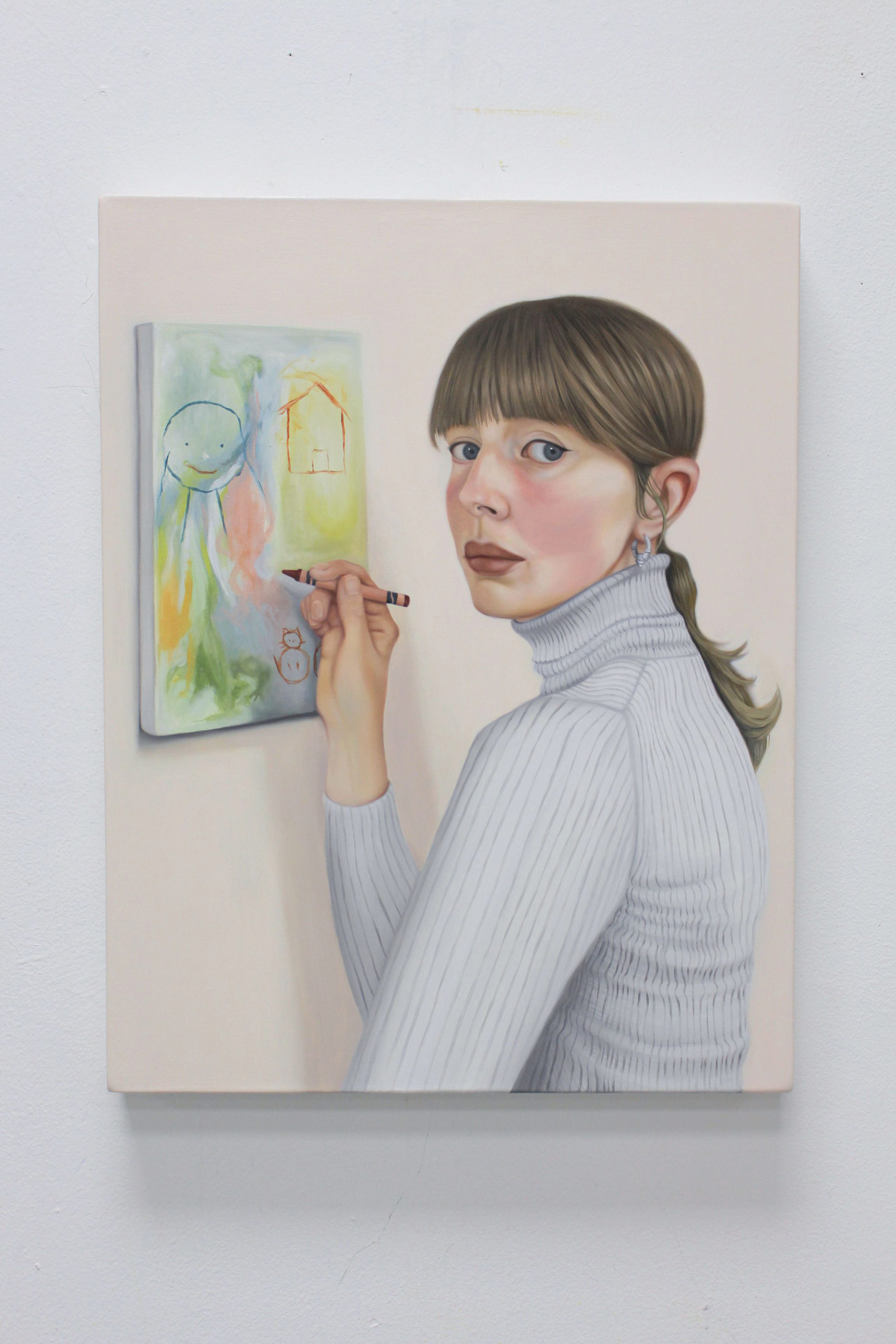
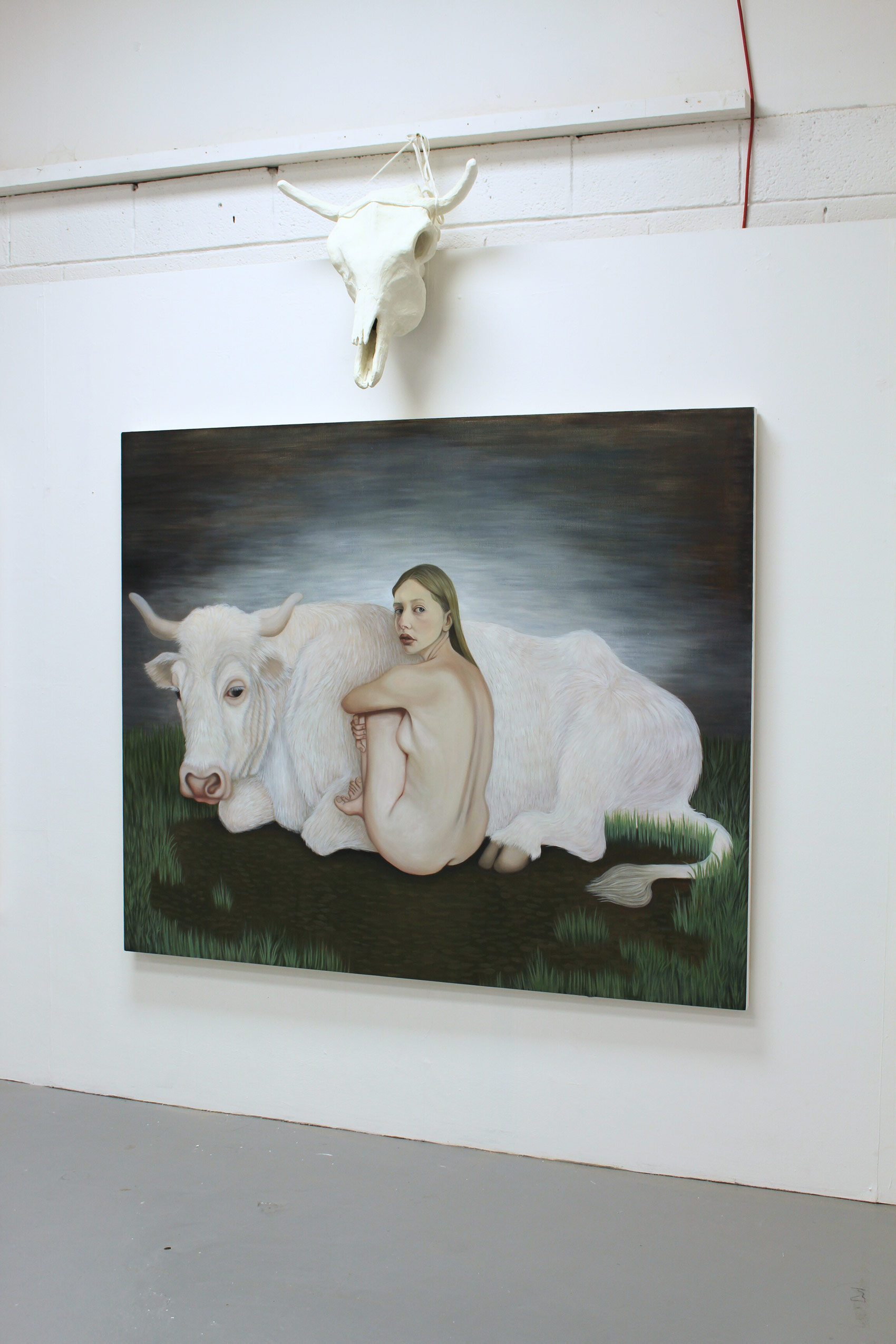
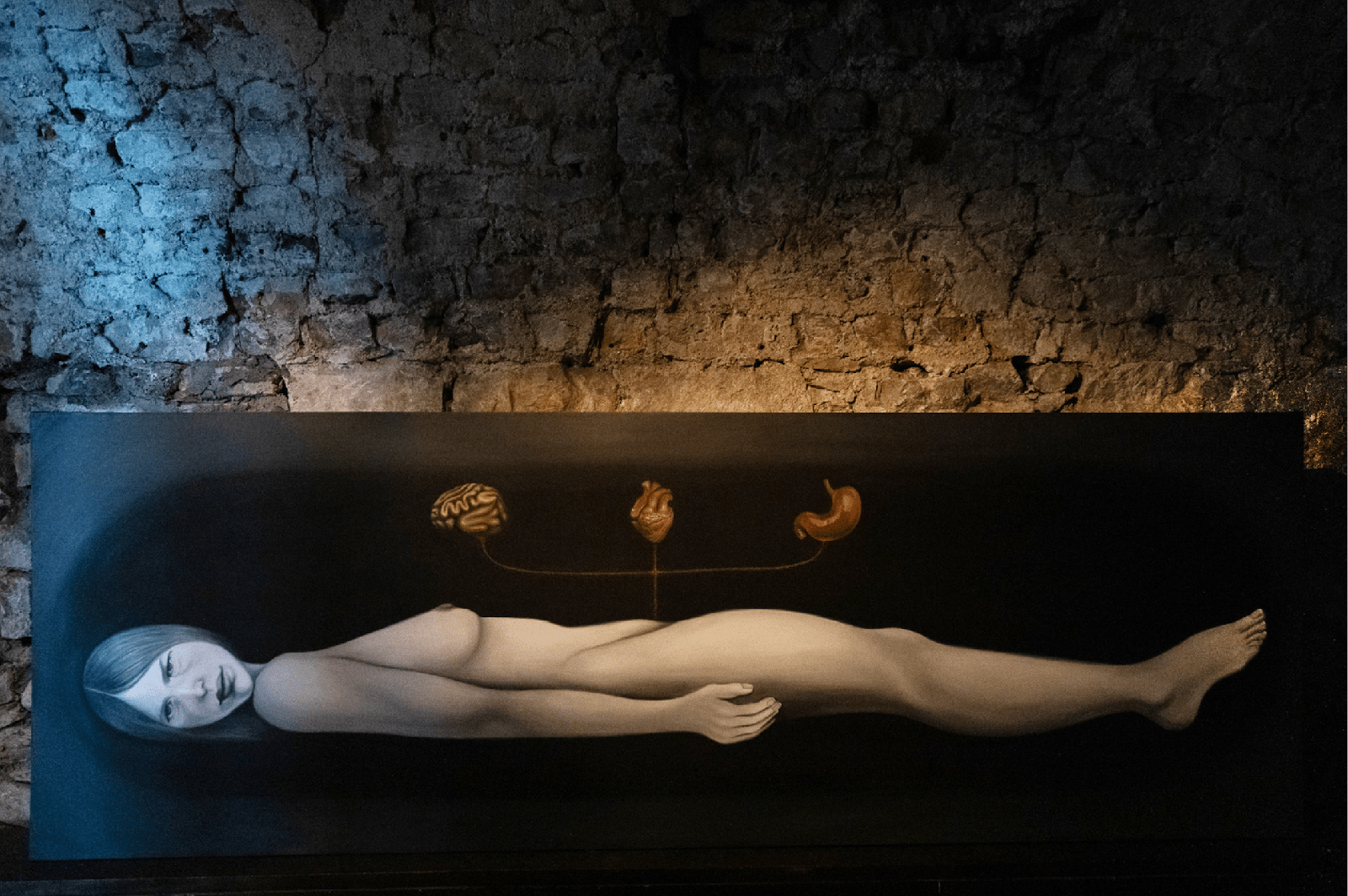
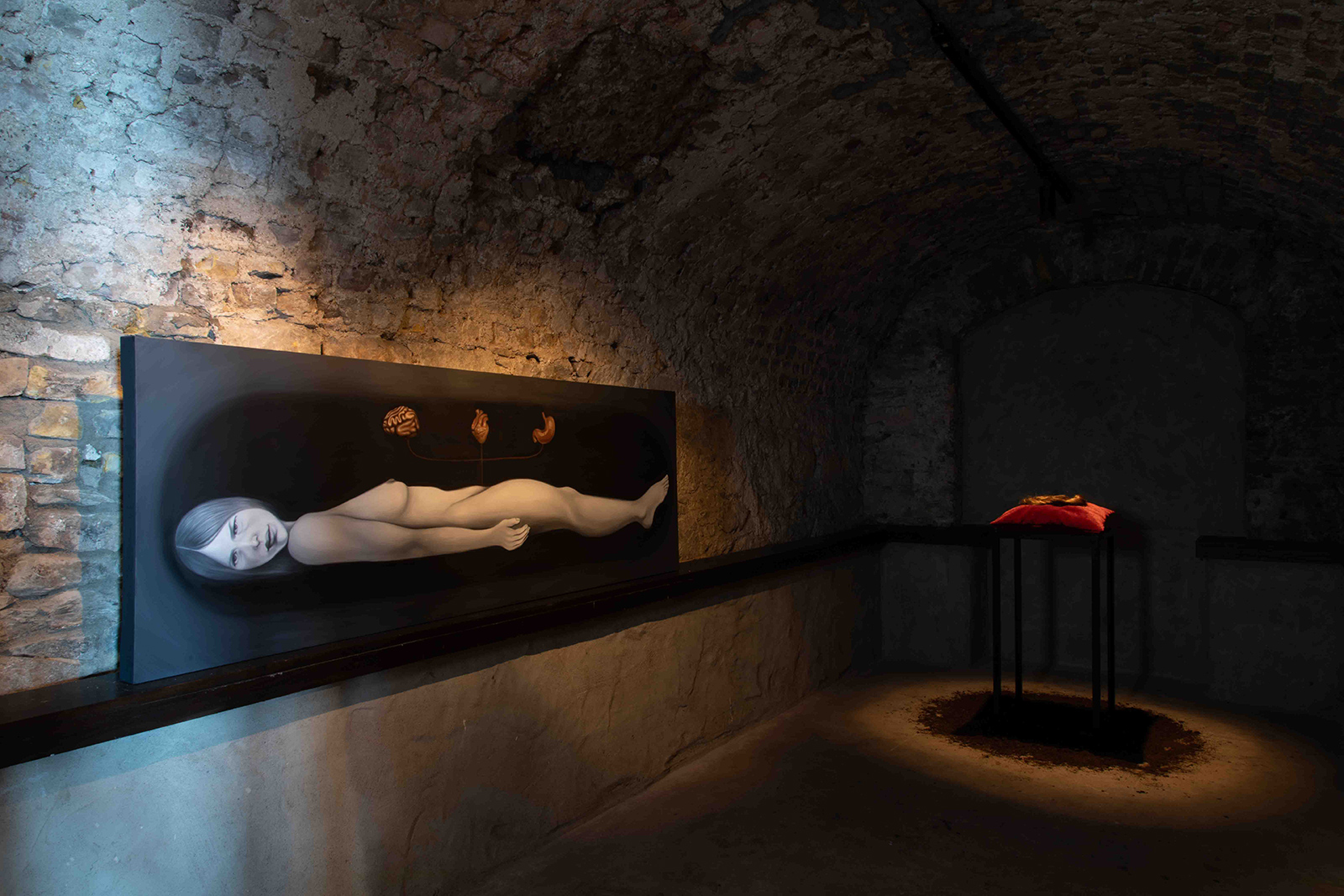
Quinn’s visual art practice examines identity as an ongoing negotiation between what is remembered, imagined and lived. From her large-scale oil paintings to embodied performances, the self-portrait is used as a site of enquiry throughout, investigating the ways in which identity can be presented and transformed.
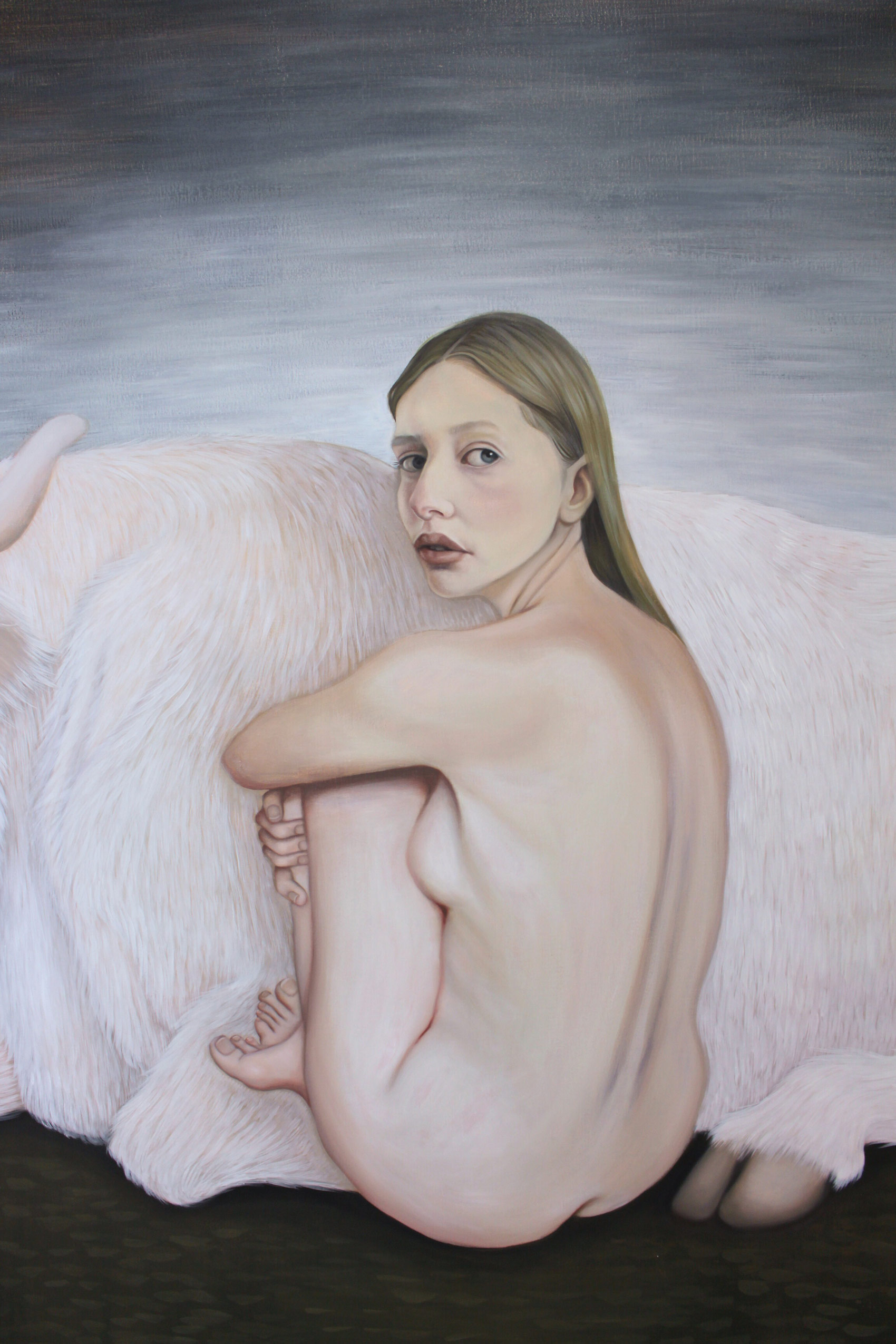
Quinn revisits formative experiences, not as fixed recollections, but as evolving narratives that exist between memory, imagination and reality. This is particularly demonstrated through her oil paintings, where the artist’s technical skill in painting realism is hijacked by the representation of fantastical content, such as mythological allegory and art historical symbolism. In subverting the expectation of verisimilitude, the artist prioritises the nuanced colourings of subjectivity in what is perhaps a more biased yet honest portrayal of the ‘truth’.